


Arlington & Waterfront Dental Implant & Oral Surgery Center
4 Surprising Symptoms of TMJ Disorders
Common symptoms of Temporomandibular joint (TMJ) disorder such as jaw pain, clicking or popping of the jaw and clenching are well known, but did you know that you can experience symptoms of TMJ disorders throughout your whole body? TMJ disorders can be difficult to diagnose when your symptoms are not restricted to the jaw area, so to make diagnosis easier we’ve listed some symptoms you might be surprised to find out are related to TMJ disorders!
- Earache: Because the jaw muscles run from ear to ear, TMJ related jaw pain can also trigger ear pain, which is often mistaken for an ear infection. The pain actually doesn’t come
 from the ear at all, but originates directly beneath or in front of the ear.
 - Neck pain: The temporomandibular joint plays a major role in keeping the head balanced on top of the spinal chord. The head weighs roughly 8 pounds, but bad posture due to joint misalignment causes this weight to be distributed unevenly, putting added stress on the neck and spine and causing the head to have a 30-pound pull on your muscles. No wonder neck and back pain are symptoms of TMJ disorders!
- Pinched nerves: When TMJ alignment is skewed, your muscles overwork themselves to compensate for the imbalance. The back is prone to TMJ related pain, as it becomes strained in order to maintain the body’s balance. This tension can lead to numbness in your extremities, so if you’re experiencing any tingling sensations in your arms, legs, fingers or toes, it could be a sign of a TMJ disorder.
- Obstructed airways: The tongue is attached to the lower jaw, so the position of the tongue in the mouth depends on your jaw alignment. Misalignment of the lower jaw could cause your tongue to sit too far back in the mouth and obstruct your airways. If your breathing feels abnormal, especially while sleeping, a TMJ disorder could be the culprit.
We hope that reading about these lesser-known symptoms will answer some of your questions about TMJ disorders. If you’re experiencing any of these symptoms, schedule a consultation with us to learn about your treatment options!
Dental Implants: What’s All The Hype?
These days, we all know someone who has a dental implant, and you have probably heard us champion these teeth substitutes, as they become more and more the common cure for missing teeth!
But why?
We think that’s a valid question and it deserves a good answer!
Bone Loss
Any oral health professional will tell you that living with a missing tooth can have negative consequences that go well below the gum line. The problem doesn’t stop at the single tooth that goes missing. The jawbone also suffers. When there is no t a tooth set in the jawbone offering regular stimulation, you lose bone mass in that area. That loss of jawbone contributes to a decline in facial aesthetics as the jaw shrinks away. The loss of jawbone also means that when you do have an implant later in life, you will likely require extensive bone grafting prior to the implant procedure. Traditional tooth “replacement” methods such as dentures and bridges do not solve the problem of bone loss.
In contrast, dental implants eliminate these problems and encourage a healthy, strong and adequate jaw by integrating with it (also known as: osseointegration). The implant then provides regular stimulation (as you chew food), and keeps the jawbone in proper health.
Lifestyle and Diet
Most people with dentures report that in addition to living in fear of their dentures falling out in social settings, they also must live with a restricted diet, unable to enjoy the foods that they previously ate. This same restricted diet goes for those with wobbly bridges and crowns as well. More often than not, those restricted foods are some of the healthiest ones, such as crunchy, fibrous fruits and vegetables.
Dental implants look and feel nearly identical to your regular teeth, and are second only to your natural teeth when it comes to form and function. Dental implants allow you to eat and live freely with a healthy diet and without fear. In addition to that, dental implants have a 98% success rate and can often last you for a lifetime!
Tooth Trauma – Uncomplicated Crown Fracture – What Now?
Tooth trauma can happen at any time. It could happen during a sports game, a car accident or as a result of something as simple and unexpected as a fall. The more information you have about correctly handling these situations the better. This knowledge could very well mean the difference between life and death for the tooth. The goal in treating a tooth trauma case is always to maintain or regain pulpal vitality in the affected tooth/teeth. In the previous tooth trauma entry we covered: avulsion (when a tooth is out of the  socket). In this entry we will investigate a different kind of tooth trauma: an uncomplicated crown fracture. In this tooth fracture, the damage is limited to the crown of the tooth. There will be dentin exposed, but no pulp exposure.
In the instance of an uncomplicated crown fracture the first step an individual should try to accomplish is finding the piece of broken tooth. If a saline solution or distilled water is readily available, place the broken piece of tooth in this solution. Once you reach the dental professional, the rehydrated piece of tooth will be easier to bond, as the hydration increases its bonding strength.
What to expect during your visit, following an uncomplicated crown fracture:
- X-Rays will be taken
- Mouth will be checked for soft tissue lacerations and the presence of any other foreign bodies
- A sensitivity analysis will be performed
- The doctor or staff member will collect the tooth segment from you if you were able to find and preserve it
- We will assess the prognosis for the tooth
If the tooth is still vital, the process of reattaching the segment of tooth and the subsequent bonding will occur. Filling the dentin wound and applying calcium hydroxide to the vicinity of the pulp is the second to last step. Finally, smoothing and fluoridating small enamel defects.
Stay tuned in the upcoming months for the conclusion of the “What Now?” blog series!
What You Should Know About Jaw Reconstruction Surgery
Sometimes jaw problems may require more than orthodontic treatment. Jaw surgery, also known as orthognathic (or-thog-NATH-ik) surgery, can be a great choice for moderate to severe jaw issues. Oral and Maxillofacial Surgeons (OMS) are specially trained in orthognathic surgery that can dramatically improve chewing, speaking, breathing, and in the process enhance a patient’s appearance. If you are considering orthognathic surgery, here are some important things to know.
Why You May Need It. Most conditions that require corrective surgery are the result of abnormal growth of the jaws as they develop. These conditions are often inherited. Other less common causes are facial injury or arthritis of the jaw joints.
Orthognathic surgery may be indicated for the following conditions:
-Difficulty biting, chewing or swallowing food
-Excessive wear or breakdown of teeth
-Chronic jaw or jaw joint pain caused by TMJ (temporomandibular joint disorder) or other jaw problems
-Improve “gummy” smiles, where the lips don’t fully close and show large areas of the gums or “toothless” smiles, where the lips cover all of the teeth
-Facial imbalance, including underbites, overbites, crossbites, and deficient chins
-Sleep apnea
Treatment Team. While we will plan and perform the actual surgery, we will also be working with your dentist and orthodontist for the full course of treatment. Most treatment includes braces for 9 to 18 months before surgery to level and align your teeth. After your jaw heals from surgery, which typically takes about 6 weeks, your orthodontist will finish your alignment and remove the braces. Depending on the severity of your jaw problem, the entire treatment process can take from 12 to 24 months. We know that this is a long-term commitment and we will do our best to minimize the length of treatment and provide you with the best estimates of what will be required.
What to Expect. Jaw surgery can be performed on the upper jaw, lower jaw or both. It is best to perform the surgery after growth stops, usually ages 13 to 15 for females and 16 to 18 for males. Jaw surgery usually can be performed entirely inside your mouth, so no facial scars show. Once your jaws are properly aligned, screws and bone plates secure the bones into their new position. In some cases, extra bone may be added to the jaw. In this case, we transfer the bone from your hip, leg or rib and secure it with temporary wires.
Surgery can take place in an in-patient or outpatient setting, depending on the procedure required. Facial swelling, while variable, is common and increases for a couple of days following surgery before it subsides. More subtle changes in your appearance will continue for up to a year. For this reason, our students generally choose to have the surgery during school vacations. For adults, one to three weeks is usually required before returning to work.
Jaw surgery can enhance your comfort, appearance, and improve your overall health. We are here to answer any questions you have. Please make an appointment for a consultation so we can review the potential of this life changing treatment with you!
Common Causes of Facial Trauma
Injuries to the face and mouth are emotionally upsetting as well as physically damaging. It’s extremely important to have medical and dental care by experts who know how to address the psychological, medical, and aesthetic elements of recovery. This blog will cover the most common causes of facial trauma and the types of injures that may occur. As with most injuries, prevention is the best medicine, so we will cover tips in avoiding facial trauma all together!
 Most Common Causes of Facial Trauma: There are many ways in which the face can be damaged. Accidents, falls, automobile crashes, work related injuries, and interpersonal violence are among the most common causes for adults. For children, sports related injuries are the leading cause. Children who participate in contact sports, cheerleading, and gymnastics are especially at risk, especially for dental trauma. Dental trauma accounts for 17% of injuries to the body for children, according to the American Dental Association, compared to 5% across all ages. It is most frequently observed in males compared to females, and usually involves the front teeth.
Types of Injuries: Every year about 3 million people are treated for facial trauma according to the American Association of Oral and Maxillofacial Surgeons. Soft tissue trauma includes any cuts to the face or gums. Avulsed, or knocked out teeth are another type of injury, and must be dealt with immediately to increase the chances for reimplantation. Bone injuries, such as fractured jaws, cheekbones, and noses can also occur as well as damage to the nerves in the eyes, face and salivary glands. It is extremely important to have facial trauma assessed and treated by an expert in facial trauma. Besides the aesthetic reasons, serious health complications can occur, even from a small amount of damage. Depending on the location of the injury, speech, swallowing, and breathing can be affected. For dental injury, teeth that are loose in their sockets can make eating difficult and cause speech impediments. Chipped, broken, or misaligned teeth can cause TMJ and other functional problems, in addition to the loss of confidence in your appearance.
What You Can Do to Prevent Injuries: Using a mouthguard during sports or other high-risk activities is the most effective way to prevent injury. Studies in high-risk populations for facial trauma show relatively low compliance in using mouthguards. We can also recommend helmets, face shields, and protective eyewear that can further reduce your risks. The spring season seems to bring an increase of children to the emergency room as kids are eager to get on their bicycles, skateboards, and swing sets. As a parent, educate your child in safety measures and supervise their activity.
When facial trauma does happen, quick action is important. Please call us as soon as possible so we can best advise and support you in your recovery. Accidents happen, and when they do, we want to help!
Tips for Reducing Scarring After Facial Surgery
Facial lacerations can be a scary situation for anyone. That is why it’s best to visit experts, like us, who have experience in treating and repairing facial injuries and trauma. However, we know that your recovery doesn’t end the moment you leave our doors. We want you to have the best outcome following surgery, which is why we’re writing this to answer some of your most common questions and to give you our best tips for treating your wound as it heals.
-
 Know the general timetable of healing. Within 2 days the cut should seal, and by 5 to 10 days it should be strong. In the first 3 months you may notice the skin around the scar may thicken and have a red or purple tint. By 4 to 6 months this process should reverse and the scar will flatten and the discoloration will fade. Usually by 6 months the scar will be completely healed, but there can be continued improvement for up to a year.
 -
There are many factors that impact your healing. How deep your cut is, its location, your age, and the way your skin heals all determine how visible a final scar will be. Younger skin actually produces thicker scarring.
-
Apply ointment frequently to keep the wound moist. This can increase the speed of healing considerably and reduce scabbing, which actually increases the build up of scar tissue.
-
Apply antibiotic ointment to prevent infection. An infected wound will make a bigger scar. Be sure to continue to apply antibiotic ointment or cream as directed by our team to keep the wound moist and fight off any infection.
-
Make sure you know the signs of infection. Antibiotics will often be prescribed to prevent infection, especially if the wound is a result of injury. Contact us immediately if you see any signs of an infection including:
-
A large amount of pus coming from the wound
-
Increased redness or swelling
-
Fever
-
-
Massage the wound gently to increase blood flow. Sutures are usually removed between 5 and 8 days. Massage the wound after sutures have been removed using a moisturizing lotion with Vitamin E or Aloe. Gently massage the skin around the wound twice daily for the first two weeks, and then once a day for a month. This will increase the blood flow in the area and prevent scar tissue build up.
-
Be gentle and avoid scrubbing your wound. It is usually okay to allow clean shower water to wash over the wound as long as you don’t scrub it. If crusts of blood accumulate, lightly dabbing with clean gauze moistened with hydrogen peroxide is best.
-
Avoid sun exposure. It is extremely important that you do your best to avoid sun exposure. The scar may tan a much darker color than the skin around it, and this may become permanent. Cover the area as much as possible or use sun block of SPF 50 or greater.
Whether you have had elective surgery or surgery to repair a facial injury we hope that these tips help answer your questions. If you or your loved one ever requires a trip to the emergency room involving a facial injury or laceration, be sure to seek our consultation as soon as possible and please contact us with any additional questions that you may have.
Oral Cancer Self-Screening: Why Everybody’s Doing It (Or Should Be)
Oral cancer has a bad reputation for being more deadly than some other forms of cancer that you hear of more commonly. We are here to tell you that it doesn’t have to be that way. Oral cancer goes unnoticed, not because it is difficult to see or feel, but because the idea of regular oral cancer screenings (either at home or in our office) is rather new. It simply has not been on the public health radar until now.
That is why we want to get the word out, and we need your help! Examining the neck, throat and oral cavity is a relatively simple task when compared to other parts of the body such as internal organs. Early diagnosis leads to better prognosis!
We recommend that once a month, you give yourself the following exam. It should only take 2-3 minutes and could save your life, or the life of a loved one!
First, a word about the ever-changing mouth: We know that many patients avoid self-exams because the mouth is one area of the body that has constant change going on. For example, you may have a recent burn, bite or cold sore and probably don’t want to bother us every time you notice these things! That is why we offer this rule of thumb: any suspicious area that is not better after 14 days should be brought to our attention.
How to perform an Oral Cancer Self Exam:
- Use a mirror and a bright light.
- Remove dentures.
- Look and feel lips and front of gums. Grasp lips with your thumb and forefinger and feel for lumps.
- Tilt your head back and inspect the roof of your mouth
- Pull your cheek out to see the inside surface and gums in the rear.
- Pull out your tongue and look at all surfaces.
- Feel your neck and under the lower jaw for enlarged lymph nodes, swelling or lumps.
What are you looking for?
- White patches
- Red Patches
- Combination of red and white patches
- Sores
- Abnormal lumps or thickening
- Chronic sore throat/hoarseness
- Difficulty chewing/swallowing
- Masses or lumps in the neck
Weighing the Costs of Dental Implants
When compared to the costs of other tooth replacement options, boy do dental implants seem expensive! Yet you may be surprised to learn that, in the long run, dental implants can be more affordable than their traditional counterparts. Understanding this procedure and the factors that determine the costs can help you decide if dental implants are a good investment for you!
What is a Dental Implant? A dental implant is a permanent replacement for lost teeth. It is made of an artificial tooth firmly held in place by a tooth root made of titanium (which  is biocompatible) that is surgically placed into your jaw. Dental implants help stabilize the jaw and the bone around it to avoid future bone loss and maintain the shape of your jaw. They never have to be removed and feel more natural and comfortable than dentures. And unlike bridges or crowns, which are cemented in, the chances of slippage or shifting are eliminated. With implants, talking and eating become worry free.
Steps In a Dental Implant Procedure. We will first use extensive imaging to determine bone health, height, and thickness to assess your bone and teeth structure carefully. The surgery itself is done in our office in separate stages. First, the implant is surgically placed into your jawbone, completely hidden within your gum tissue. Once the implant has integrated into your bone, a healing process of about 4 to 6 months, the next stage is the placement of the abutment, or the post that penetrates the gum and will connect the replacement tooth to the implant. The final stage involves attaching your artificial tooth (made from impressions of your natural tooth) to the abutment. If more than one tooth is being replaced, a removable bridge is used, as it is more affordable than implanting each tooth separately. For a bridge, it takes only one implant on either side to span an area holding several teeth. The bridge snaps into place for a more permanent and natural fit than dentures.
Factors That Affect the Cost. While dental implant surgery is a safe and routine option, it is a complex procedure that takes time and expertise to be done effectively. There are many factors that will influence the final costs including what X-ray and CT scans are necessary to evaluate and assess the implant area and the brand and material of the post, abutment and artificial teeth. However, the biggest cost factor is the complexity of the surgery itself. For example, how many teeth are we replacing and what is the location? Will additional procedures, such as bone grafting or sinus elevation be required? We do our best to make sure that your estimate includes all of the possible costs of each of the steps of your procedure.
While dental implants may seem expensive, they are often more affordable in the long run than traditional restoration methods such as crowns and bridges, which are more vulnerable to damage and usually require repairs or replacement every few years.
Dental implants are known to have a 95% success rate when completed by professionals with the right experience and training, such as us! Because dental implants offer a permanent solution, are natural and comfortable, and require little maintenance, they are a cost effective choice for most of our patients.
Grow Your Own Bone? Bone Grafting Is Routine
It seems like something out of a science fiction movie, but with our help, you can easily re-grow bone to treat many common disorders in the mouth and make it dental-implant ready! Bone grafting is a common procedure done right in our office. Here is a simple explanation of this effective treatment option.
Reasons for Bone Grafting. There are many different reasons that a person loses bone support in the jaw. Sometimes it is due to injury, sometimes it because of missing 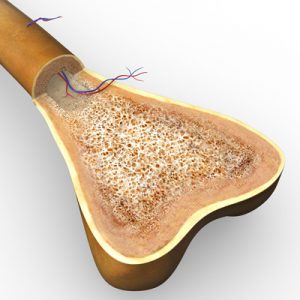 teeth, and other times it is a due to a developmental defect or periodontitis. Bone graft surgery, also called regenerative surgery, is used to replace bone and soft tissue by actually stimulating the body’s natural ability to re-grow the lost tissue. If your jawbone is inadequate to support dental implants, bone grafting can be used to build a sturdy foundation for implant-supported teeth.
It’s A Natural Process. With bone grafting surgery, a piece of bone is removed from another area of your jaw or your body, often the hip, and is transplanted into your jawbone. Sometimes we may use donor or synthetic graft material. Your body uses the implanted bone graft material as a frame on which it can grow new bone. Over time and with your body’s own healing mechanisms, the grafted bone fuses and becomes an integrated part of your existing bone. Bone grafting is a safe and very successful procedure that can be done in the office under local anesthesia. After the procedure, you will be given antibiotics and pain medication if needed. Swelling can be treated with ice packs applied to your face. Most patients proceed with their normal life the next day. Be sure to follow medication instructions and keep your mouth as clean as possible while you heal.
Healing Times. Healing time following bone grafting depends on the amount of bone loss and the location of the graft area. Maintaining a healthy amount of bone tissue around your teeth is crucial to keeping up your oral health. We are more than happy to explain different materials and techniques that can be used for an optimal outcome.
Bone grafting allows your body to rebuild itself. It can be a great way to restore your natural jaw line and smile. Let us help you decide if bone grafting is the right procedure for you!
Head & Neck Cancer Self Exam How-To
Regular oral pathology exams are extremely important when it comes to preventing head and neck cancer. When you visit us make sure to ask about the exam if you haven’t had one before or have noticed anything strange on the inside of your mouth. It’s also good to perform an oral pathology check on yourself from time to time. Let’s go over how to do an at-home check and what you should be looking out for. 
Step 1: Know what you’re looking for. Oral cancer signs include:
• A difference in color in one particular area
• A change in texture
• Lumps of any kind (especially if it’s something you haven’t noticed before)
• Lesions
Step 2: Take a bright light such as a flashlight and while looking in a mirror, check the following:
• Tongue
• Lips
• Cheek walls
• Top and bottom of mouth
• Back of throat
If you notice any of the above signs, give us a call immediately to schedule an appointment. It’s also beneficial to perform an extra-oral screening. When performing an extra-oral exam on yourself, you want to feel for any lumps or bumps. Here are the steps for doing this exam at home:
Step 1: Place your hands on the back of each side of your jaw under your ears. Open and close your jaw while feeling for any bumps.
Step 2: With your hands in the same position work your way down your neck.
Step 3: Turn your head to the right and feel your left side-neck muscles. Turn your head left and feel your right side neck muscles.
Step 4: Grab your gullet and swallow.
Step 5: Put your chin down and with your palms facing away from you feel the underside of your jaw with your fingers.
We hope we don’t have to see you in the office if you’ve discovered something wrong but we are here to help. We can catch the early signs of oral cancer! If you feel anything strange, call us to schedule an appointment.