

Arlington & Waterfront Dental Implant & Oral Surgery Center
Specialties of Dentistry
It can be quite difficult as a patient to ascertain what type of setting is best for the care you need. General dentistry is always a four year program after obtaining a bachelorette degree. After this, some dental graduates choose to pursue additional training.
Here is a a summary of some of these additional dental specialties:
- AEGD (Advance education in general dentistry)- a dental school based training program geared towards perfecting skills learned in dental school
- GPR (General practice residency)- a hospital based training program in which advanced training is provided in the management of traumatic injuries and medically compromised patients
- Pediatric Dentist- 2-3 years of additional training in the treatment of children, including relevant procedures, hospital based training and behavior management for special needs populations
- Endodontist- 3 years in the management and diagnosis of tooth vitality (pulp health) traumatic injuries, root canals, apicoectomies and microscopic techniques
- Periodontics- Surgical subspecialty training based out of a dental school, involving gum surgery- dental implants, gum grafting, bone grafting to regenerate bone around teeth, and management of periodontitis
- Oral pathology- 3 years of combination hospital and dental school based training that includes the management of oral cysts and tumors, malignant and benign, extensive training in histopathology and clinical practice
- Dental anesthesiology- dental providers who pursue additional training in the administration of anesthesia, most of whom stop practicing clinical dentistry
- Oral and facial pain- diagnosis and management of oral and facial pain conditions
- Oral and Maxillofacial radiology- interpretation of Cone beam CT and spiral CT scans, panoramic and other imaging to diagnose hard tissue and soft tissue lesions of the face and jaws
- Oral and Maxillofacial Surgery- (In my opinion, the premiere specialty of dentistry!) which involves a blended post dental school education in the hospital and some programs (like mine) include dental schools as well. Training includes a minimum of 4 months of anesthesiology, internal medicine, general surgery, plastic surgery and ENT, ATLS certification, hospital based surgery including broken jaws, eye sockets, and cheekbones. Some oral surgeons will go on to pursue fellowship training in oral and head and neck cancer, plastic and reconstructive surgery (cosmetic facelift surgery), temperomandibular joint surgery (TMJD), and craniofacial and cleft surgery (cranial vault surgery for babies and children with congenital anomalies)
Choosing Your Dental Provider
It can be a daunting challenge to know what your provider is most educated and experienced in. One of my best answers to what oral surgeons do, as crass as it may be, is that oral surgeons for the most part perform procedures that involve bleeding (surgery). We also are the only speciality to spend time in the hospital and in the office. Oral surgeons often take hospital call and manage traumatic injuries to the teeth, face and jaws. We also frequently perform procedures that would require hospital admission. We resect pathology such as tumors of the face and jaw as well. We also are the premiere experts in removing teeth under anesthesia, as well as bone grafting and placement of dental implants.
When in doubt, ask your provider if they are comfortable with and have seen complications! Unfortunately a minority of providers will do procedures they may not be adequately trained for, attending a weekend seminar which does not convey expertise. I use the analogy of flying a plane in bad weather. Many people may be able to land a plane safely in fair skies, but what about when conditions are poor or something goes wrong? A properly trained oral and maxillofacial surgeon would never refer a complication to anyone else but is trained to manage the complications on his or her own. Always do your due diligence prior to selecting a provider!
April is National Facial Protection Month
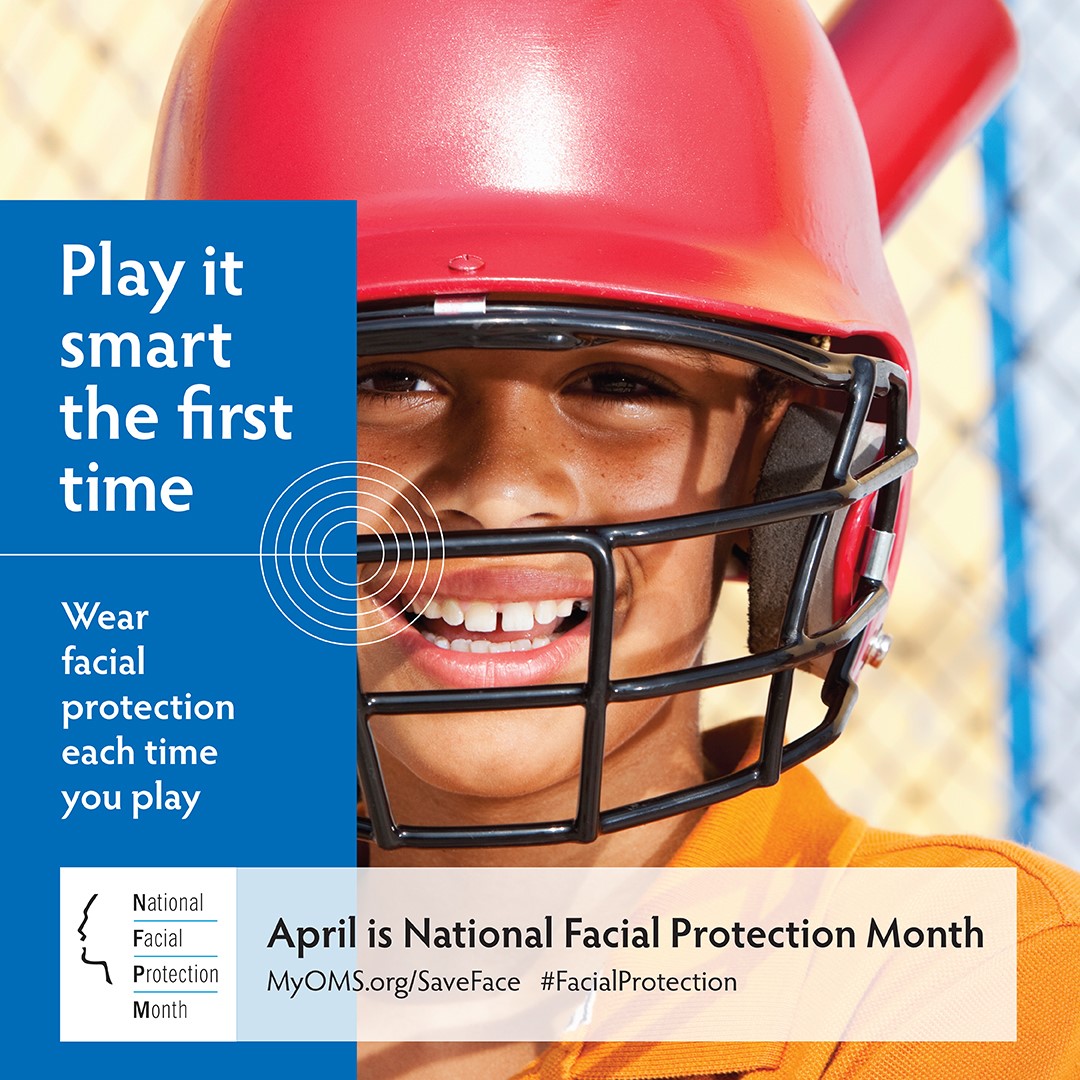
It is that time of year again when the weather gets nice and we start heading outside again!
I was running out on the Mount Vernon trail the other day and counted at least 50 percent of the bikers I saw without helmets, some were children.
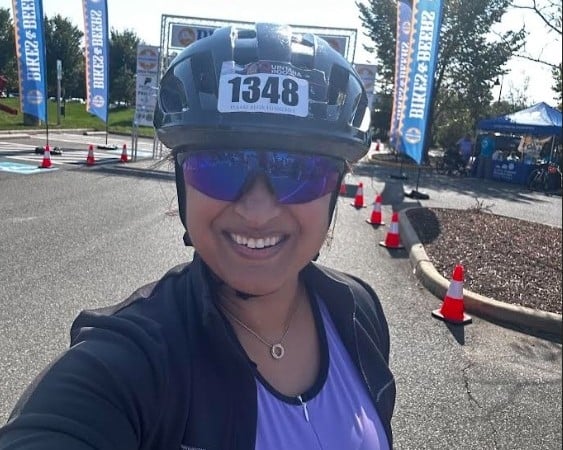
I say this every year! But my helmet saved my life in 2015, and without it I would not be here to enjoy my current active lifestyle!
Use your bite guard as well! They are crucial to protecting the mouth and teeth during sports activities.
And many people forget, one of the leading causes of injury is riding motorized scooters. The ER reports this as a leading cause of injury to the jaws and is replacing motor vehicle trauma in frequency.

Invisible Corporately Owned Dental Practices
As a dental patient, there are a myriad of offices to choose from to meet your needs. I will admit that I am passionate about the independently owned and operated model. But in an increasingly challenging environment for small businesses, many offices are beginning to partner with corporate owned private equity and other type organizations. Most of them operate in very ethical and patient centered processes, but occasionally this does not occur.
As a patient, there are some questions you can ask to empower yourself and arrive at peace of mind with your treatment plan.
- Ask ! Is this practice privately owned?
- How long have you (the provider) worked here? Do you intend to stay?
- Would you recommend this practice to your family members?
- What is the practice philosophy ?
- Can you (the doctor) be reached after hours, or do the calls go to an answering service with an on call doctor who may not be familiar with my case?
- How many of these types of cases have you done, and what is the most common complication?
- Are you board certified?
- Do you travel from one office to another?
In addition to question you can ask, please don’t ignore your intuition! While online reviews can be an indicator, they are often skewed in one direction due to businesses eliciting reviews from only certain patients. Reviews can also at times be outdated. Rather than relying on reviews, ask yourself, “Does this feel like a place I feel comfortable or is it devoid of the personal touch?”
The right practice model is different for everyone, and you have many choices where you receive care. I am happy to provide support to our patients, whether a patient at my practice or not. Please do not hesitate to reach out.
Ready to schedule an appointment with Dr. Patel?
Call us with any questions or to make an appointment!
Arlington Office Phone Number 703-566-1908 Washington DC
Washington DC Office Phone Number 202-733-1856
The Importance of Organized Dentistry
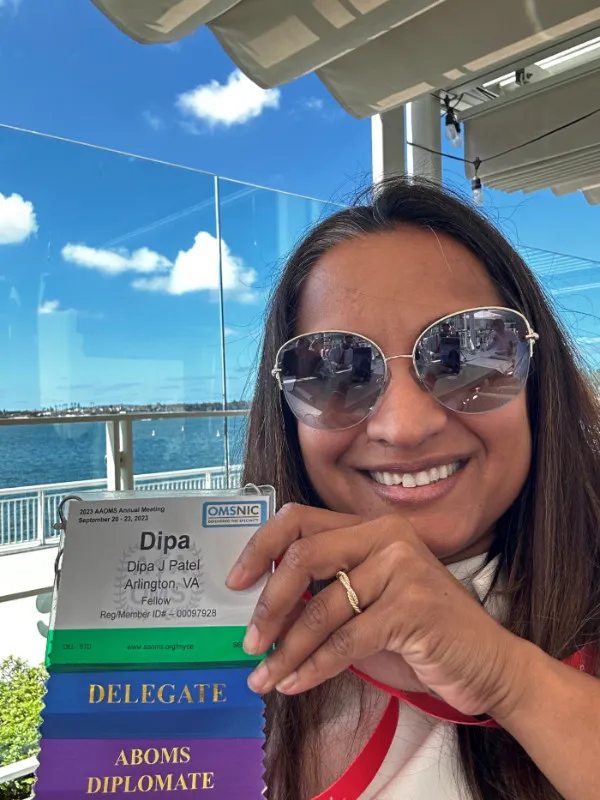 This past week, I had the pleasure of attending the 105th annual meeting of the American Association of Oral and Maxillofacial Surgeons.
I was honored to serve as a delegate from the state of Virginia.
These meetings are so energizing for me. Not only did I get to enjoy a beautiful waterfront location in an amazing city (San Diego), but I was able to participate in major governance decisions that impact the way we deliver care on a daily basis.
We in the healthcare industry are facing unprecedented workforce shortages, and part of our discussion this weekend was how to ensure the highest standards of safety and care delivery amongst staff transitions that seem to occur on a weekly, sometimes daily- basis. I was blown away by the dynamic and impassioned commitment of my colleagues in establishing ways to ensure that our staff is the best of the best. This makes you- the patient, have better outcomes.
 We also were able to take continuing education courses to directly improve outcomes. New techniques, digital dentistry and better ways to inform our patients of their options were all amongst the things we discussed.
As busy a professional as I am with my clinical care delivery, making time for these meetings is so important to me. It makes me a better surgeon and business owner.
2023: The Year of the Thriving Healthcare Provider
The year 2022 has been a very challenging year for all of us. If you believe in astrological experts, alignment of certain planets made the last few months of 2022 a time in which many people were “cleaning out their closets” of bad energies. Jobs, friendships, relationships, living situations. All seemed to be cleansed.
Those of us in the healthcare industry have struggled mightily in 2022. The “great resignation” has made it quite difficult to find and retain staff committed to excellence in healthcare. Rising costs to supplies increased overhead costs at a pace that insurance reimbursements have not kept up with, have made our margins thinner than ever, and in many cases, practices are closing, or being sold to corporate entities at staggering rates.
For me, it has been difficult to contend with the palpable feeling that the average patient and family members stress levels are higher than ever. To be fair, just about everyone who walks through the oral surgeon’s door is nervous. Anxiety can manifest as hostility, appearance of disinterest, or out and out tears. None of this is easy for me to see in a patient. I wish I could take that anxiety away.
So we, as providers, are stretched to the limit, as more than ever is being asked of us — while there is less resilience available as we face increasing pressures.
In the face of these obstacles, I myself have begun a journey of surrounding myself with empowering energy. It sometimes takes a leap to remove those things from our lives that no longer serve us. Whether they are people, work schedules, living situations or eating habits. This is a time to reevaluate what brings an energy of thriving and expansion — vs. an energy of self-doubt and fear.
I truly hope your 2023 brings a journey of self-discovery and expansion. For healthcare providers — our mission works to the extent we stay healed to better serve others. In 2023 you will be hearing more and more of my favorite well-being secrets. I truly hope they will contribute to your own wellness.
Protect the ones you love – Sports Injuries
The Reality
We all want to keep our children safe and secure and help them live to their full potential. Knowing how to prevent injuries from sports and recreation activities, one of the leading causes of child injury, is a step toward this goal.
Taking part in sports and recreation activities is an important part of a healthy, physically active lifestyle for kids. But injuries can, and do, occur. More than half of the 7 million sports and recreation-related injuries that occur each year are sustained by youth between ages 5 and 24.
Thankfully, there are steps that parents can take to help make sure kids stay safe on the field, the court, or wherever they play or participate in sports and recreation activities.
Prevention Tips
Gear up. When children play active sports, make sure they use protective gear, such as helmets, wrist guards and knee and elbow pads — in addition to any other sports gear appropriate to their activity or player position. Further, during informal recreation activities children should also always wear helmets when recommended, especially during activities such as in-line skating and biking.
Use the right stuff. Be sure that sports protective equipment is maintained correctly and is in good condition—for example, without missing or broken buckles or compressed or worn padding. Poorly-fitting equipment may be uncomfortable and may not offer proper protection.
Practice makes perfect. Have children learn and practice skill sets relevant to their chosen activity. For example, appropriate tackling technique is important in preventing injuries in football and soccer. Correct biomechanics, or movement and alignment, also plays a role in preventing injuries during baseball, softball, and many other activities. Also, be sure to safely and slowly increase activities to improve physical fitness; being in good condition can protect participants from injury.
Pay attention to temperature. Allow time for child athletes to gradually adjust to hot or humid environments to prevent heat-related injuries or illness. Parents and coaches should pay close attention to make sure that players are hydrated and appropriately dressed.
Be a good model. Communicate positive messages about safety and serve as role models for safe behavior, including a wearing helmet and following the rules.
Please visit www.cdc.gov/early-care/safety/index.html for podcasts, tip sheets, and other information on the leading causes of child injury and steps you can take to protect the children you love.
 Child injuries are preventable

- Across the United States, injuries are the leading cause of death among children ages 19 and younger.
- About 33 children die every day because of injuries.
- Each year, nearly 9.2 million children aged 0 to 19 years are seen in emergency departments for injuries, and 12,175 children die as a result of being injured.
In addition to doing all you can to protect a child from suffering a sport injury, follow these steps to prevent other leading causes of injuries:


Road traffic injuries — To make injuries less likely when you’re on the road with kids, always use seat belts, child safety seats, and booster seats that are appropriate for your child’s age and weight.
Posted with permission from AAOMS
My IRONMAN 70.3!
It has been a loooonnnggg 7 months of training. 7 months of getting up at 5:30 am after going to bed late at my personal training seminars, 7 months of leaving social events early to get enough rest to get up early and train.
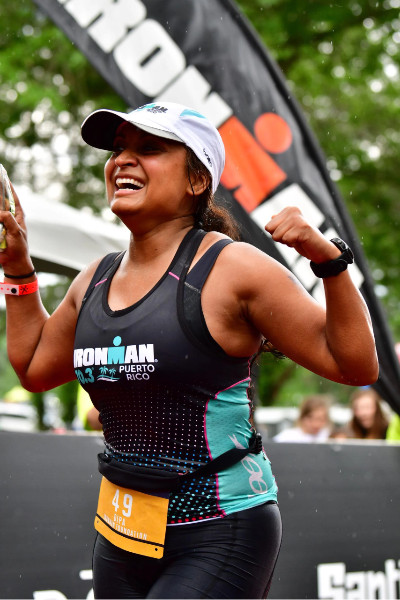
Heading in early from the slopes and training out of breath AND at altitude! 7 months of working out on my family vacation to Florida. And then, in March, my race day in Puerto Rico had arrived. I finished 6 miles short as a bike malfunction added over 30 min to my time, rendering me to miss the cutoff. I was devastated.
That morning I thought my biggest hurdle would be overcoming the sheer terror of open water swimming.
But if there is one thing that I have learned in life, it is the true joy of being in the ring- competing, fighting, and failing. I have probably failed more than I have won- but I have taken on that very tenacious attitude- “NEVER GIVE UP.”
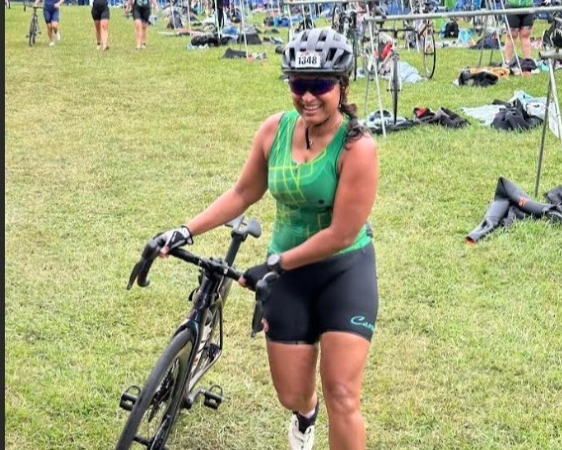
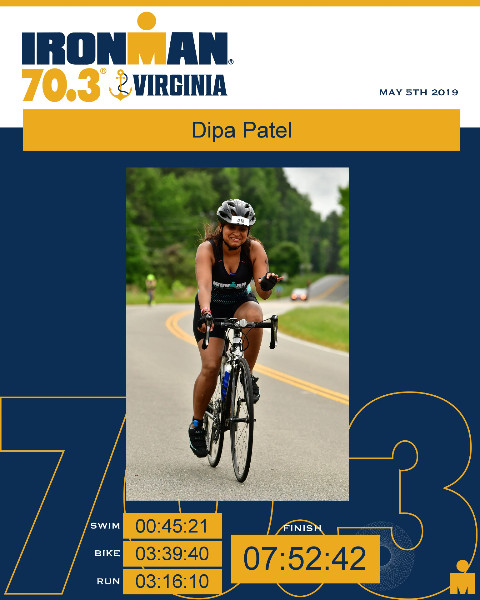
And so, on this May 5, with my parents there to support me, I successfully completed my first Ironman 70.3. The forecasters said, 80% chance of thunderstorms all day. It was muddy, it rained, but it certainly did not stop any of us.
I can’t describe the joy. Enough to start those first sparks of curiosity about taking on the full distance…! What is that thing you have always wanted to take on in YOUR life?
Work Life Balance of an Oral Surgeon
Despite the many virtues of being a health care professional, It is no secret that we are faced with higher stress levels than the average professional. While attempting to balance our personal and professional lives, it seems that our professional responsibilities always seem to take precedence over every other aspect of our being. After all we hold our patients very lives in the balance and therefore must always be thinking quickly and using our very best judgement.
There have been many articles that have been written regarding the “burnout of the healthcare professional”. A quick query on google yielded me with 112 articles written over the last 30 years. Specifically only five of those articles addressed the “burnout of an Oral Surgeon”.
Oral surgeons have a fuzzy role with one foot in medicine and another firmly in dentistry. While managing in-office patient care along with frequent hospital calls and visits of ER emergencies, a planned free weekend with family and friends can turn into a 5 hour hospital room operating case for the on call oral surgeon and no sleep. Most oral surgeons will not even think about whether or not they are in network for that patient, we take care of the situation, and deal with insurance and reimbursement on Monday morning. Often to discover that we do not participate with the insurance plan.
Not much has been written on the specific impact these stressors can have on the oral and maxillofacial surgeon. There is a conflict between running a business, with the expenditures including payrolls, rents, equipment costs and professional licensure fees, and on the other hand, a human being who may or may not be able to pay.
For me I have learned to find balance in the little things in life. A weekend getaway to my favorite ski resort, giving back to my community, hanging out with my pet parrot Kiko, spending time with my family and friends, and my second “home away from home” – the Landmark Forum- where creating new possibilities for people, bring me the greatest sense of joy and peace.
I am out to transform health care so that we can give care to every human being, and costs are managed and reasonable. It starts with each and every one of us- looking to make a difference and striving to answer to my higher calling to heal. At the end of the day, we hope to achieve a balance where we were able to make the difference for a human being and maneuver through the complex financial aspects of insurance for patients. The privilege of being there in someones worst hour is always worth the sacrifice.
While it is still quite the balancing act, the art of helping others was and is the reason that I decided to embark on this ever changing journey of an oral surgery, and I wouldn’t trade it for the world.
The Narcotics Crisis and the Role of Dental Providers- What You Can Do to Make an Impact
On January 25th 2019 Dr. Patel was given the huge opportunity to be a guest speaker for the Northern Virginia Dental Society. It was an amazing opportunity to spread the word to our dental community as to how what we providers do, day to day, to make an impact in keeping teenagers opiate- naive.
It was a candid and at times heart wrenching discussion about the true impact of the crisis. Decisions we make every day as p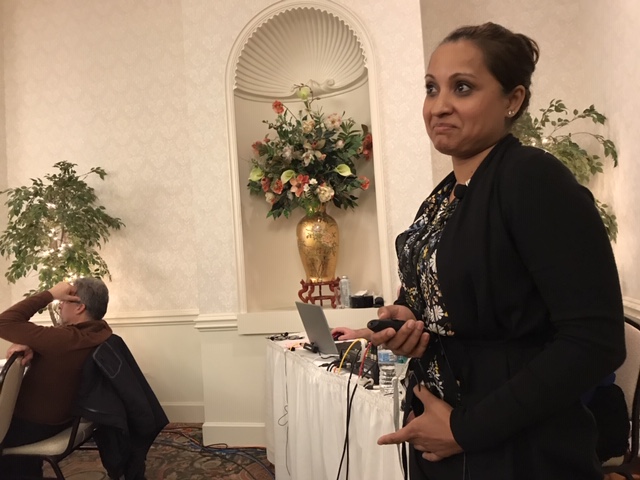 roviders can have a tremendous ripple effect in permanently altering the future of the opiate epidemic until it becomes a distant memory.
Dr. Patel is committed to the de-stigmatization of addiction, and to the eradication of this crisis.
The power of compassionate listening
We as a team delivered a huge “win” in my book this week. We experienced a patient that to us all just seemed unjustifiably upset over us running late for her promised time.
Of course, we were assisting an emergency patient at the time who threw us into a later than promised pattern. Naturally we felt justified in our broken word, and she felt upset over our disregard for her promised time.
I would not say we did anything magical here. What we did, was simply acknowledge our broken promise of seeing her on time. We then listened without our “filter” of our concerns, but rather, listened to her out of being 100 percent responsible for her upset and our broken promise.
After I had left the office, the patient was talking over her care with my office manager. She ultimately was in tears and shared a life circumstance that was jarring. She had been injured by a driver under the influence, and was, at the prime of her life, inflicted with a life altering injury.
Together, my team and I have been through courses such as the Landmark Forum, and have been able to institute a new way of thinking and relating to our patients. Not just as a medical record number or a dental issue. But as a whole and complete being. Through these courses and our efforts to install them as daily practices here in the office, we are able to build a doctor patient relationship that allows our patients to feel a whole new level of trust and compassion.
Now there is no amount of training that I received in residency, dental school or anyplace else that ever taught me compassion, and I especially never learned listening. In that moment I believe we healed her more than anything my hands or surgical procedures could achieve.
In a profession that is ever changing and highly stressful, where I am always on the go. Its sobering to know that aside from all of my well learned expertise. Just giving a listening ear can turn someones bad day into something great.