


Arlington & Waterfront Dental Implant & Oral Surgery Center
Pediatric Facial Trauma

We’ve all had our share of trips, bumps, and even broken bones in our childhood years! (If you haven’t, then you’re very lucky!)
As the saying goes, children are very resilient, and this is actually due to their biology. Children have “bendy bones” which are more likely to bend and crack under pressure rather than break.
The term is referred to as greenstick fractures; similar to when a green branch of a tree bends and cracks, but doesn’t break off.
Considering how much energy children have, pediatric facial trauma is actually very rare! Of all facial trauma, only 15% is pediatric (0-18 years).
The maxillofacial region is related to a number of vital functions, such as vision, smell, eating, breathing and talking. It also plays a significant role in appearance.
When treating children’s maxillofacial injuries, we take into consideration the difference anatomically between adults and children. Facial trauma can range between minor injury to disfigurement that lasts a lifetime if not treated correctly.
Children have much more flexibility in their facial bones, as well as smaller sinuses, multiple fat pads and unerupted teeth. In adolescents an increase in risk-taking behavior and the reduction of parental supervision results in an increase in facial fractures. Contact sports, physical play, riding bicycles, and even road traffic accidents all contribute to pediatric facial trauma.
A full treatment plan is always taken into consideration when we deal with facial trauma. The age of the patient, anatomic site of the trauma, complexity of the injury and how long since the injury occurred is taken into account. Ideally, don’t put off your incident for more than 4 days! This is prime healing time, and if any longer, could extend the healing and complicate the treatment process.
This is why it is very important to always wear protective gear! Remember to always have your children wear seatbelts, and invest in booster or car seats so your children can receive the full protection of seatbelt coverage.
During play, remember shin guards, mouth guards and helmets! Especially when riding a bike!
Play it safe, and if life throws a curve ball (at your face!) give Arlington & Waterfront Dental Implant & Oral Surgery Center a call at [PRACTICE_NUMBER]
Pediatric Facial Trauma
We’ve all had our share of trips, bumps, and even broken bones in our childhood years! (If you haven’t, then you’re very lucky!)
As the saying goes, children are very resilient, and this is actually due to their biology. Children have “bendy bones” which are more likely to bend and crack under pressure rather than break.
The term is referred to as greenstick fractures; similar to when a green branch of a tree bends and cracks, but doesn’t break off.
Considering how much energy children have, pediatric facial trauma is actually very rare! Of all facial trauma, only 15% is pediatric (0-18 years).
The maxillofacial region is related to a number of vital functions, such as vision, smell, eating, breathing and talking. It also plays a significant role in appearance.
When treating children’s maxillofacial injuries, we take into consideration the difference anatomically between adults and children. Facial trauma can range between minor injury to disfigurement that lasts a lifetime if not treated correctly.
Children have much more flexibility in their facial bones, as well as smaller sinuses, multiple fat pads and unerupted teeth. In adolescents an increase in risk-taking behavior and the reduction of parental supervision results in an increase in facial fractures. Contact sports, physical play, riding bicycles, and even road traffic accidents all contribute to pediatric facial trauma.
A full treatment plan is always taken into consideration when we deal with facial trauma. The age of the patient, anatomic site of the trauma, complexity of the injury and how long since the injury occurred is taken into account. Ideally, don’t put off your incident for more than 4 days! This is prime healing time, and if any longer, could extend the healing and complicate the treatment process.
This is why it is very important to always wear protective gear! Remember to always have your children wear seatbelts, and invest in booster or car seats so your children can receive the full protection of seatbelt coverage.
During play, remember shin guards, mouth guards and helmets! Especially when riding a bike!
Play it safe, and if life throws a curve ball (at your face!) give Arlington & Waterfront Dental Implant & Oral Surgery Center a call at [PRACTICE_NUMBER]
On the Lookout for Oral Cancer
 Oral cancer screenings are performed regularly at dental exams, but that doesn’t mean you shouldn’t be paying attention to your dental hygiene between appointments. Taking matters into your own hands is the best way to maintain your oral health. Not sure how to screen for oral cancer? We’ll show you!
What is oral pathology?
This branch of dentistry involves the evaluation and treatment of diseases of the mouth. The most dangerous, but not always the most obvious, of these diseases is oral cancer.
What should I look for?
Keep an eye out for these oral cancer symptoms during your self-screenings:
- Red or white patches in the mouth
- Lumps on the tongue or lining of the mouth
- Mouth sores that won’t heal
- Unexplained bleeding
- Chronic throat soreness
- Difficulty chewing or swallowing
- Mouth numbness
How do I perform an oral cancer self-exam?
- When performing your oral cancer self-screening, be sure to check all areas of the mouth, including the roof, floor, tongue, lips, cheeks and the back of your throat.
- Examine your face in the mirror for abnormal asymmetry and irregularities.
- Feel your neck and the back of your head with your fingers to look for any bumps or changes in texture.
- Examine your throat by placing your fingers around your thyroid cartilage (Adam’s apple) and swallowing.
How often should I perform a self-exam?
Self-exams should be performed at least once a month. Changes to your oral health can occur rapidly, so it’s important to stay on top of things. Treatment is most effective if we detect symptoms early.
Ask us about performing an oral cancer screening when you visit – we’re here to ease your mind and give you the tools you need to maintain your health!
The Benefits of Jaw Surgery
 As doctors, we always weigh the risks and benefits of any procedure or medication therapy. One of the most significant procedures that we perform in our office is orthognathic surgery, more commonly known as “jaw surgery”.
Orthognathic surgery has the ability to enhance a patient’s life, giving him or her the comfort needed to eat properly and, often, the freedom from pain. Because the decision to have jaw surgery is such a serious one, we would like to take a moment to look at the positive side of the procedure in this blog, focusing on the benefits of orthognathic surgery:
- Pain Relief – There are several reasons that a person may experience jaw pain bad enough to warrant orthognathic surgery. They may have unnecessarily been causing excessive wear and tear in the joints over many years and living with constant inflammation. Correcting the alignment of the jaws through surgery is sometimes the only way to set the jaw back on the correct path, reducing strain and therefore pain. Another common scenario occurs with injury to the jaw, often from trauma caused by car and sports accidents. If the jaw is knocked too far out of place or suffers significant trauma, it may not heal on its own and may require resetting through a surgical procedure. These two situations represent occasions where the benefits of orthognathic surgery far outweigh the risks.
- Regular Eating Patterns – A misaligned jaw can make it difficult to chew and swallow, particularly if your teeth do not line up correctly. Often, braces are not enough to correct the alignment issues with the teeth and the jaw itself must be altered. Sometimes, patients don’t even know that they are working too hard to chew because they are used to it always having been that way. Once their bite is corrected through surgery, they are pleasantly surprised to find a significant enhancement in their quality of life.
- Better Overall Health – The health of your body starts in your mouth. Proper nutrition is key to everything from longevity to happiness. Whether your jaws are misaligned from injury or genetics – if your bite is significantly affected, your nutritional habits may be as well, and orthognathic surgery may be the best option for getting your health back on track.
Orthognathic Surgery: The Post-Surgery Diet
 Orthognathic surgery, commonly referred to as “jaw surgery,” is used to correct a wide range of both minor and major skeletal and dental irregularities, often the misalignment of the jaws and teeth. Patients looking at undergoing orthognathic surgery are often faced with an extensive recovery period, as well as a restricted diet in the beginning of their recovery process. Post-surgery patients are discouraged from chewing to allow the bone to heal and stabilize. Due to the fact that adequate healing can take up to 8-12 weeks, patients will initially be on the “swallowing diet” for a number of weeks.
When it comes to the “swallowing diet,” the name of the game is high calorie, high protein, and low volume. Facing a large volume of liquid each meal that meets both the necessary caloric and protein needs can be overwhelming. Consuming enough calories, as well as enough protein is a necessity to heal in a timely manner. In order to get adequate volume of fluid and nutrition daily, it may require you to eat smaller meals 5-6 times per day, rather than the usual 3 times per day.
Patients who are well prepared for their surgery often have a smoother recovery. Here is an example of smoothie recipe a patient can consume following orthognathic surgery:
Peanut Butter Banana Smoothie
- 2 chilled bananas, broken into chunks
- 2 cups milk
- 1/2 cup peanut butter
- 2 cups ice cubs
- 2 tablespoons honey, or to taste
Place bananas, milk, peanut butter, honey, and ice cubes in a blender; blend until smooth, about 30 seconds.
Though patients are faced with a restricted diet post-surgery, it is important to remember to try and maintain a balanced diet. In particular, foods rich in vitamins A and C. According to the Academy of General Dentistry (AGD), plenty of vitamin C is one way post-surgery patients ensure a timely recovery!
No Teeth? No Problem!
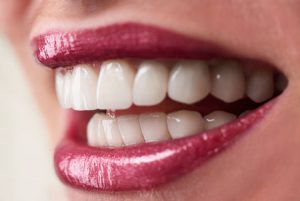 Are missing teeth causing you difficulty, discomfort or embarrassment? Don’t worry – we have all the facts about tooth replacement treatments and the effectiveness of dental implants as a long-term solution for missing teeth.
What are dental implants?
Dental implants are replacement teeth made of titanium. They are composed of an artificial crown attached to a screw that is surgically implanted into the jaw for stability. Implants are an effective treatment for missing teeth because they maintain the strength of the jaw.
There are a few alternative treatment options, some more lasting than others:
Flippers are temporary, removable plastic teeth. They are attached to a retainer for easy removal. Flippers are one of the most cost efficient tooth replacement methods; however, they are the least durable alternatives to dental implants and are considered short-term solutions until a more lasting treatment can be performed.
Fixed bridges literally “bridge” gaps caused by one or more missing teeth. A dental bridge consists of a false tooth, called a pontic, and two abutment teeth, which are crowns that anchor the bridge to the teeth on either side of the gap. Abutment teeth can be secured to both natural teeth and dental implants; however, anchoring them to natural teeth can cause damage.
Dentures are a common treatment for individuals missing all their teeth in one or both of their jaws. They are made of a removable frame that holds an entire set of teeth.
Removable partial dentures are removable frames that hold a partial set of teeth rather than a full set of teeth. This option is often considered for individuals who are missing some but not all of their teeth in one or both jaws.
Why choose dental implants?
Implants are the longest lasting treatment for missing teeth. With proper care, dental implants can last up to ten years or longer. Because they are surgically anchored into the jawbone, they function like natural teeth.
Modern Options for Bone Grafting Technology
 Bones, grafting, or any combination of the two are rarely the subject of casual conversation. Most of us, regardless of our profession, are happier discussing recent football scores, the price of gasoline, or the abnormally high number of Dunkin Doughnut franchise locations. Perhaps for it is for this very reason, however, that we should bring up this important topic–to raise awareness, maximize modern technology, and inform the public about the options offered in terms of dental implant surgery.
Bone grafting for dental implants is the process by which bone tissue is placed (grafted) into the mouth to act as a placeholder for tissue that has been lost. In the modern medical landscape this is a safe, painless, and routine process: indeed, more than two million bone-grafting operations occur worldwide each year, making bone the second most transplanted organ (after blood!).
As well as natural bone tissue, synthetic tissue is an alternative for patients seeking the best results. Structured as a ‘biodegradable scaffold’ that can be implanted within the body and trigger bone regeneration, this strong, flexible material has been compared to tire rubber! Dr. Karin Hing, author of the study and reader in Biomedical Materials at Queen Mary’s University of London Institute of Bioengineering stated that the challenge being tackled currently is the development of a graft that is as clever as bone. By mechanically evaluating the way bone adapts to its environment and reacts to chemical and physical components, progress is taking place in leaps and bounds.
What does this mean for the average person who just wants to be happy with their mouth? Comfortable outpatient procedures complete with local anesthesia or intravenous sedation make bone grafting a sensible and worry-free choice. Browse our procedures page for more information on maximizing your resources!
How Many Wisdom Teeth Do You Have?
 Wisdom tooth removal has become somewhat of a rite of passage – puffy-cheeked post-extraction photos, a diet of Jell-O and mashed potatoes. But not everyone gets their wisdom teeth taken out. In fact, not everyone has wisdom teeth at all! Have you ever wondered why some people have four wisdom teeth while others have fewer or even none? We’ve got the facts behind how many wisdom teeth people have and why!
Why do we have wisdom teeth?
Third molars, or wisdom teeth, were once very useful to our ancestors. Because prehistoric man’s diet of hard-to-chew plants and uncooked meat required powerful chewing muscles, our ancestors’ jaws were large enough to fit 32 teeth, not just 28. Now that humans have evolved a better means of chewing and digesting our food, we no longer have large jaws, so we simply have no need or no room for wisdom teeth. Many scientists believe humans are currently evolving third molar hypodontia, or the lack of wisdom teeth, due to their inability to develop in the first place.
How many people have wisdom teeth?
About 20-25% of the human population is born with 1 to 3 wisdom teeth, and 35% is born without any wisdom teeth at all.
Why do some people have wisdom teeth and some don’t?
There are a few reasons why scientists believe that not everyone develops wisdom teeth:
- Genetics: Some evidence suggests that a genetic mutation occurred hundreds of thousands of years ago, causing some people to be born without wisdom teeth.
- Environment: Percentages of people who develop wisdom teeth varies from culture to culture. Certain ethnic groups are known for low percentages of wisdom teeth development, while others are known for high percentages. Environmental factors during dental development are also a possible explanation.
Will wisdom teeth become obsolete?
With the number of people lacking wisdom teeth steadily growing, it’s possible that we could someday completely evolve to not develop wisdom teeth at all. Scientists have experimented with chemically preventing the development of wisdom teeth. Researchers have found that children ages 2-6 that are given local anesthesia for dental work have a higher chance of not developing wisdom teeth later on. Maybe in the future, simple injections at a young age will keep all of us from having to go through wisdom tooth extraction!
Dental Implants: High Tech Teeth
 What are dental implants? Dental implants are replacement tooth roots that provide a foundation for both fixed and removable replacement teeth. Like roots, dental implants are secured within the jawbone and not visible once surgically placed. Teeth replacement is not new to dental technology. Early civilizations practiced teeth replacements; archaeologists have discovered skulls where teeth have been replaced by cast iron and sea shells. Despite their primitive methods, some of these implants were fused with bone like modern dental implants! However, unlike the ancient cast iron or sea shell implants, modern implants are composed of titanium. Titanium is lightweight, strong, and biocompatible.
According to the American Academy of Implant Dentistry (AAID), dental implants have the highest success rate of any implanted surgical device — 98%. Dental implants are available in several designs that meet individual needs: single tooth replacement, multiple tooth replacement, implant supported prosthesis (removable), and an implant stabilized denture. Aside from meeting individual needs, there are a few other advantages to having dental implants:
- Improved appearance. Dental implants are designed to fuse with bone, and look and feel like your natural teeth.
- Improved comfort. Because dental implants become an extension of your natural mouth, implants remove the discomfort associated with removable dentures.
- Easier eating. Dental implants act as your natural teeth, allowing you to eat without the pain and discomfort that often accompany slipping of dentures.
- Improved self-esteem. Dental implants give your best natural smiling, helping build self-confidence!
- Improved oral health. Dental implants are the only proven way to prevent bone loss after the loss of natural teeth. The jawbone needs consistent chewing action to stimulate continual bone growth. Tooth/teeth replacement with dental implants offers a solution to prevent bone loss.
- With proper care, consistent brushing, flossing and routine dental visits, dental implants can last 40-years to life.
If you are interested in dental implants, or have any questions regarding the procedure, call the office today!
How to Check Yourself for Oral Cancer
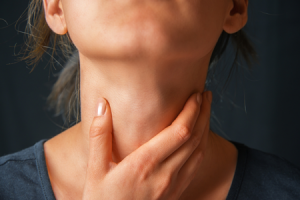 Oral cancer is serious business. The good news is that you can do something about it. Regular self-examinations may help you pick up on warning signs in time to act on them. Oral health professionals are experts on mouths, but the only expert on you is YOU. If you notice something strange going on in your mouth, contacting a professional at our office is your best mode of action.
The first and most important thing to remember is oral cancer is often painless! The second rule to remember is that if you aren’t sure, ask! It’s better to ask now and be sure than to wish you had asked. There are no dumb questions when it comes to looking for oral cancer. And, most importantly: any suspicious area that doesn’t resolve on its own in 14 days should be checked out ASAP.
The key to eliminating oral cancer is to act on it early. Here are some things to check regularly.
Your Tongue
Look for lumps and bumps on the upper and lower surfaces of your tongue. Feel around for odd textures, bumps, discoloration or swelling. Place the tip of your tongue on the roof of your mouth to peek underneath. Don’t limit your search to the red flags above. Use your fingers and your vision.
Your Cheeks
Gently feel your cheeks for bumps and swelling. You can do this by placing your finger on the interior and your thumb outside your cheek. Lightly squeeze and feel around for anomalies.
Your Lips
Take a good look at the interior of your lips with a hand mirror. Keep an eye out for the same signs. Lips are harder to be sure about because they are constantly drying, wetting, and being scraped as we eat and speak. Nonetheless, lips are prone to cancer given that they re always exposed to sunlight. Better safe than sorry.
Your Head/Neck Area
Closely examine your head and neck for lumps and protrusions. A bump or lack of uniformity is absolutely worth checking out. Ask us at your next visit to check out your throat too. Keep an eye out for sensitivity and soreness.
With oral cancer, the key is to keep your eye out for anything out of the ordinary. Anything that seems strange is worth noting and calling our office about.
Call us today for a check up!